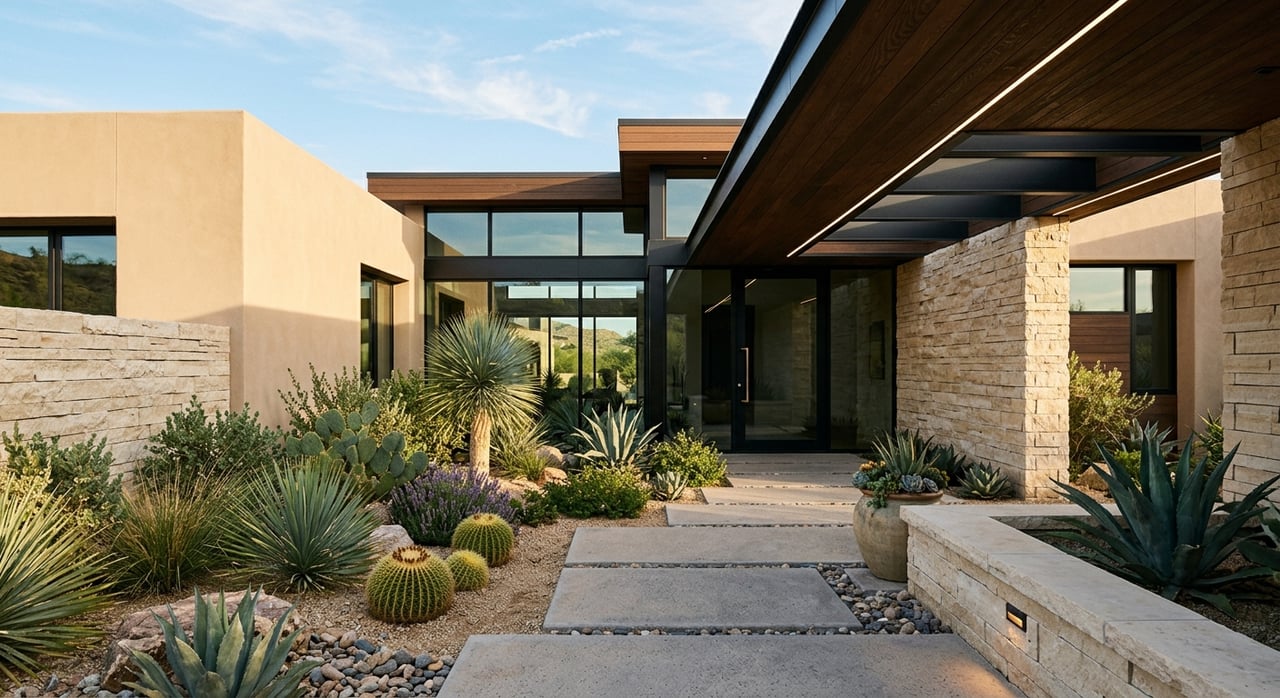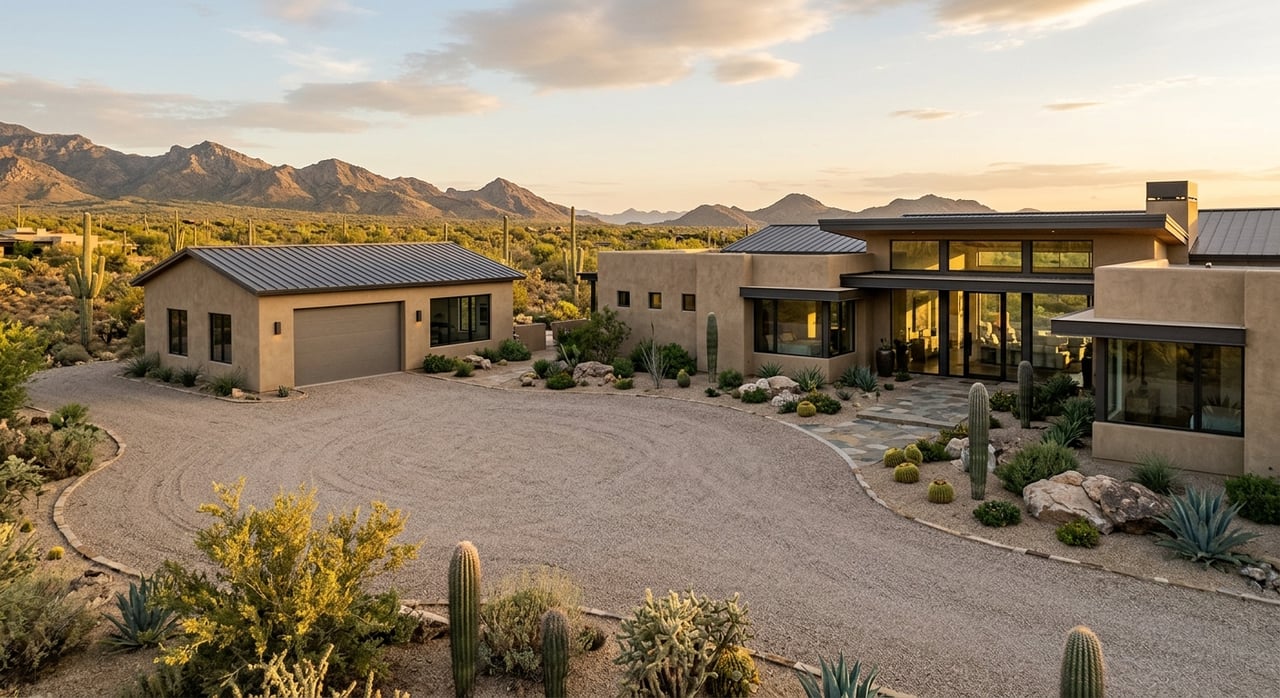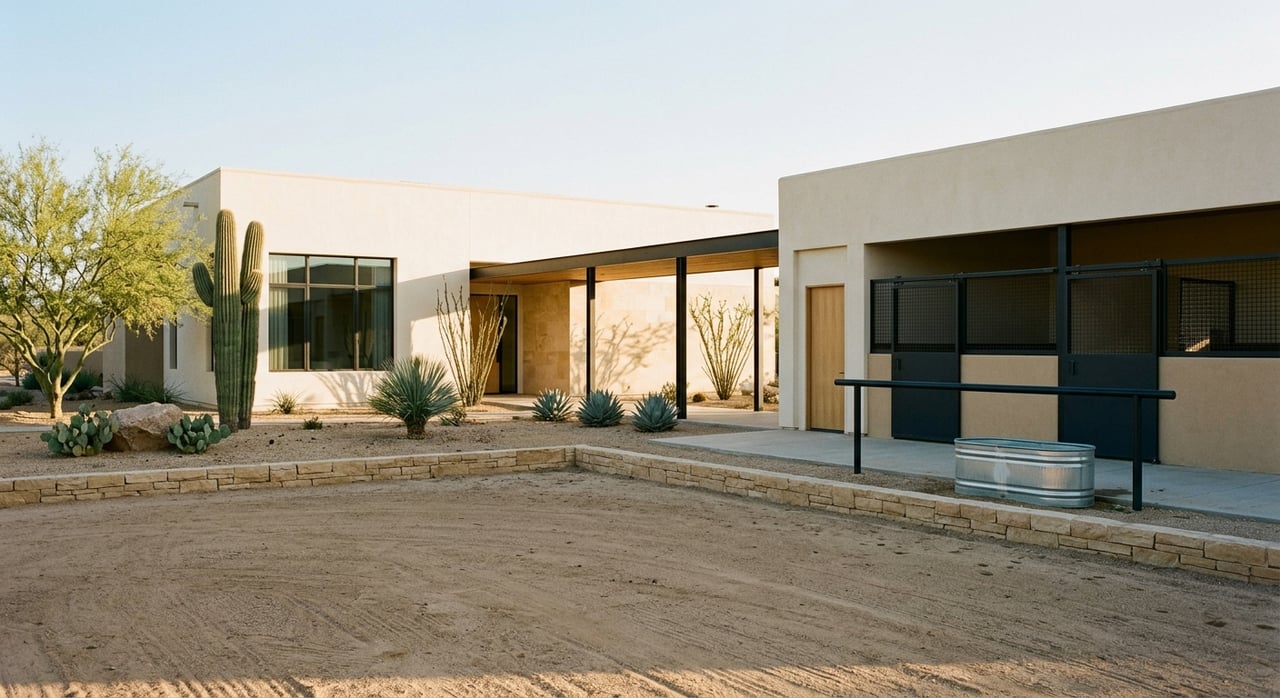
Looking for a horse property in Rincon Valley can feel simple at first glance. You see acreage, desert views, and easy access to open space, and it is tempting to assume the land will work for your plans. In reality, the best equestrian search starts with a closer look at zoning, drainage, trail access, and site layout so you can focus on parcels that truly fit your goals. Let’s dive in.
Why Rincon Valley Appeals to Equestrian Buyers
Rincon Valley stands out because it offers a rural setting with strong county-level protections for its character and landscape. Pima County’s Rincon Valley special-area policy is designed to preserve scenic quality, dark night skies, riparian habitat, and views toward the Rincon Mountains and Saguaro National Park.
For equestrian buyers, that matters because the area’s identity is tied to open land, lower-intensity development, and trail connectivity. The same county policy also supports equestrian linkages and calls for a 30-foot-wide easement next to Rincon Creek for continuous hiking, biking, and equestrian trails.
Rincon Valley also sits beside Saguaro National Park’s Rincon Mountain District. The National Park Service notes that this area includes a 4,011-acre expansion with old ranch roads converted into trails, though some land remains privately owned and closed to public use. That means the outdoor lifestyle is very real here, but actual riding access still needs to be confirmed on each property.
Start With Zoning First
If you are planning an equestrian property search in Rincon Valley, zoning should be one of your first filters. Lot size alone does not tell you what you can do with the land.
Under Pima County code, the CR-1 zone allows agriculture and horticulture, and horses and similar animals may be kept on lots of at least 36,000 square feet at a density of no more than one animal per 10,000 square feet of lot area. In CR-2, the county uses that same density rule, but the minimum threshold is one commercial acre.
Those numbers are a starting point, not the whole story. A parcel may look large enough on paper, but setbacks, drainage areas, and other site limits can reduce how much land is actually usable for horses, barns, corrals, or an arena.
What zoning can affect
When you compare properties, zoning can influence:
- How many animals the parcel can support
- Whether existing equestrian improvements appear consistent with county standards
- How much room you have for future barns, corrals, and turnout areas
- Whether your long-term plans match the land’s legal use
This is one reason equestrian searches often require more than a standard home tour. You want the land to work both legally and practically.
Review Barn and Corral Requirements
If a property already has horse facilities, or you plan to add them later, county standards matter. In the animal-use section of Pima County code, stock-tight fenced areas must provide at least 400 square feet per animal.
The same code section also states that animal buildings carry a 50-foot setback from side and rear lot lines. Corrals cannot be closer than 50 feet to a neighboring residence or living quarters.
These details matter when you are judging whether a parcel can comfortably support your goals. A property might have enough acreage overall, but if the best flat area sits too close to lot lines, washes, or neighboring improvements, your ideal layout may not be realistic.
Focus on Usable Land, Not Just Acreage
One of the biggest mistakes buyers make is treating all acreage the same. In Rincon Valley, site layout often matters just as much as lot size.
Pima County’s special-area policy emphasizes minimal site disturbance, protection of steep slopes, riparian restoration, and preservation of viewsheds along areas such as Camino Loma Alta and Old Spanish Trail. That makes parcels with naturally flatter terrain or previously disturbed build areas especially worth a closer look.
When you tour land, think beyond the home itself. Ask where a trailer turns around, where an arena would sit, where runoff moves during storms, and whether the property’s usable areas are grouped together or broken up by washes and grade changes.
Practical site questions to ask
As you narrow your list, it helps to evaluate each property with questions like these:
- Where is the most usable flat ground?
- Is there enough room for horse circulation and trailer access?
- Are the barn, paddock, and turnout areas logically placed?
- Do slopes or drainage channels cut off part of the site?
- Would future improvements disturb sensitive parts of the parcel?
A beautiful lot is not always an easy equestrian lot. The goal is to find one that supports your day-to-day use without forcing costly compromises later.
Check Floodplain and Drainage Early
Drainage is a major part of planning an equestrian property search in Rincon Valley. Pima County states that floodplain use permits are required for most improvements in regulatory floodplains or erosion hazard areas, including structures, additions, fencing, walls, drainage modifications, and erosion-control measures.
The county’s flood hazard mapping is helpful, but it is general guidance only and does not guarantee that every flood or erosion hazard is shown. Because of that, Pima County encourages buyers to confirm floodplain status before purchase through its Floodplain Management resources.
This step matters even more for equestrian buyers because barns, corrals, fencing, and arenas can all be affected by drainage patterns. A parcel that looks perfect during a dry showing may present very different conditions during monsoon season.
If a home is in a federally mapped floodplain and financed with a federally backed loan, flood insurance is mandatory. Even when it is not legally required, the county recommends insurance for structures that may be impacted by flooding.
Separate Trail Access From Trail Potential
Rincon Valley has real appeal for riders who want access to the outdoors, but it is important to separate what exists today from what is planned or policy-supported. Pima County’s broader Trails Element supports a countywide multi-use network that includes equestrian connectivity and links between public and private lands.
In Rincon Valley, county policy specifically calls for trail linkage between Rocking K and Vail Valley, a paved multi-use path along Old Spanish Trail, and the continuous trail easement along Rincon Creek. These are meaningful signals when you are choosing where to search.
Still, a smart buyer verifies the details. Proximity to a trail corridor is not the same as direct legal access from your parcel.
Riding access near Saguaro National Park
The Rincon Mountain District of Saguaro National Park allows horses and pack animals on designated trails. The park prohibits off-trail riding in most areas, limits stock groups to 15 animals, and provides designated trailer parking in the Rincon Valley area about 0.4 mile south of the Loma Alta trailhead.
The park also notes that Loma Alta parking is limited and often fills on weekends. For some buyers, that makes nearby trailer access and weekday riding convenience part of the property search, not just a nice bonus.
Build a Smart Due-Diligence Checklist
A strong equestrian search is part lifestyle planning and part verification work. Listing descriptions can be helpful, but they should not be your only source for decisions about barns, arenas, access, or animal use.
Before you move forward on a property, it helps to confirm the basics with county tools and records. Pima County’s code compliance portal allows permit status searches by address, which can be useful if a seller says an existing barn, corral, or arena was properly permitted.
Your Rincon Valley equestrian checklist
Use this checklist to compare properties:
- Confirm the exact zoning designation
- Verify animal-density limits based on lot size
- Check whether the parcel has recorded access or trail easements
- Review floodplain and erosion status before closing
- Research permit history for existing barns, corrals, arenas, and fencing
- Evaluate usable land area, not just total acreage
- Confirm public trail access instead of assuming it
- Consider trailer parking, turnaround space, and daily horse logistics
This kind of review can save you time, money, and frustration. It also helps you compare properties based on function, not just appearance.
Why Local Guidance Matters
Rincon Valley horse properties are rarely one-size-fits-all. Two parcels with similar acreage can offer very different outcomes once you look at zoning, setbacks, access, drainage, and trail connections.
That is where local, property-specific guidance becomes valuable. Instead of relying on broad marketing language, you can build a shortlist around how you actually plan to use the land, whether that means keeping a few horses, improving an existing setup, or finding a site that supports a future custom build with equestrian features.
If you want help sorting through Rincon Valley acreage, equestrian homes, or lot-driven opportunities in southeast Tucson, Debbie G. Backus offers the kind of local insight that can help you move from a broad search to a realistic plan.
FAQs
What should you verify first when searching for an equestrian property in Rincon Valley?
- Start by confirming the property’s zoning, animal-density limits, usable acreage, and floodplain status.
How many horses can a Rincon Valley property allow under Pima County rules?
- In CR-1 and CR-2 zoning, Pima County allows horses and similar animals at a density of no more than one animal per 10,000 square feet of lot area, subject to minimum lot thresholds.
Can you assume a large lot in Rincon Valley will work for a barn or arena?
- No. Setbacks, slopes, washes, drainage concerns, and usable flat ground can all limit where equestrian improvements can go.
Does living near Saguaro National Park guarantee riding access?
- No. The area has strong outdoor appeal, but access must be verified parcel by parcel, and park riding is limited to designated trails.
Why is floodplain research important for Rincon Valley horse properties?
- Floodplain status can affect where you place structures, fencing, and arenas, and it may also determine whether flood insurance is required for financed purchases.
How can you check whether an existing barn or corral was permitted in Pima County?
- You can search permit status by address through Pima County’s code compliance resources before moving forward with a purchase.