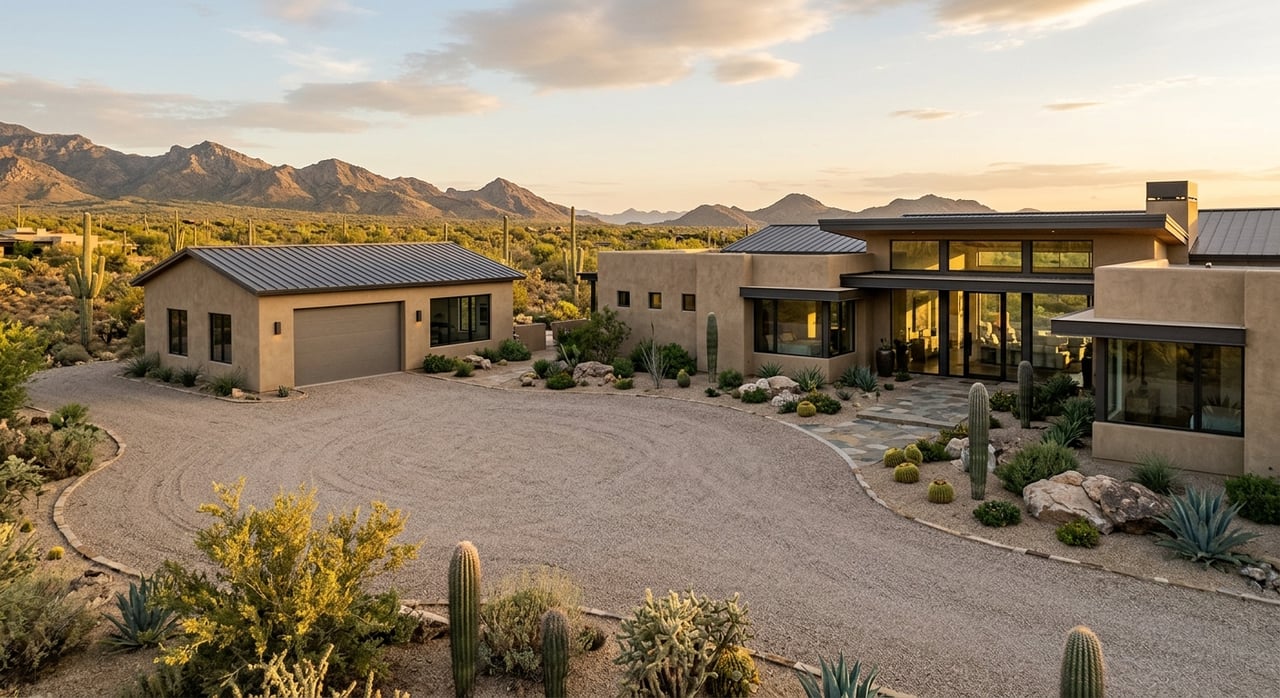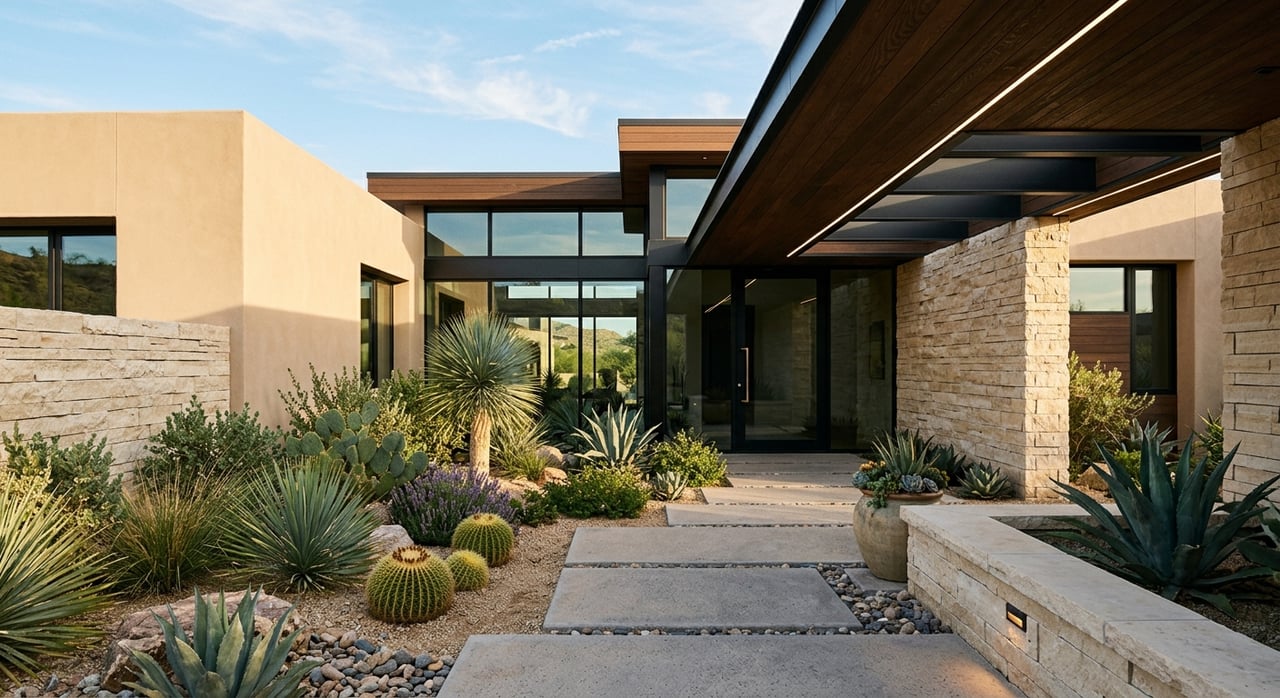
If you are thinking about selling in Coyote Creek, you are not selling a typical house or a generic piece of land. You are selling a property inside a custom-home community where lot layout, design rules, privacy, and view protection can shape buyer interest just as much as square footage or price. That can feel like a lot to sort through, but it also creates an opportunity to market your property more strategically. Let’s dive in.
Why Coyote Creek Sells Differently
Coyote Creek is a master-planned custom-home community in the Rincon Valley next to Saguaro National Park, with 395 acre-plus homesites across 1,000 acres and a minimum lot size of 1.15 acres, with many lots larger than 1.70 acres. The community is also defined by a one-story height limitation, which helps preserve a low-profile look, privacy, and views. You can see these community details on the Coyote Creek community website.
That matters because buyers are not just comparing your property to a standard resale in a nearby neighborhood. They are evaluating how your lot or home fits into a regulated custom-building environment with active HOA oversight, recorded rules, and design standards. The Coyote Creek HOA documents page shows the community’s governing documents, including CC&Rs and design guidelines that buyers often want to review early.
Selling a Coyote Creek Lot
Buyers want buildability
When you sell a vacant lot in Coyote Creek, buyers are usually studying what they can actually build, not just where the lot sits. According to the 2023 Coyote Creek Design Guidelines, homes, garages, pools, walls, and other improvements generally must stay within the approved building envelope.
That building envelope exists to help protect view corridors and privacy. So if your lot has a strong envelope, useful orientation, and a layout that supports a well-placed custom home, those details should be part of the marketing story. A buyer is not just buying acreage. They are buying a specific path to a future home.
Topography affects value
In Coyote Creek, topography is not a side note. The design guidelines say site development should minimize disturbance to natural features, and mass grading to create a building pad is prohibited.
That means slope, drainage, washes, and rock outcroppings can directly affect what a buyer can build and how the finished home will live on the land. A lot with a clear understanding of these site conditions can feel more straightforward to a buyer than one with unanswered questions.
Utility and access details matter
Vacant-land buyers tend to ask practical questions quickly. The design guidelines reference site plans that show topography, utilities, septic placement, drainage, driveways, and underground utility runs.
The Arizona Department of Real Estate buyer checklist also tells land buyers to review the Public Report, ask about water supply and legal access, review zoning maps, and verify builders through the Arizona Registrar of Contractors. If you can present organized lot information upfront, you can reduce friction and help serious buyers move forward with confidence.
Equestrian designation can expand interest
Some Coyote Creek lots have a separate appeal because horses are allowed only on designated lots. The design guidelines note that horse-designated lots may also have added site-disturbance allowances for corrals and related structures.
If your lot has that designation, it should not be buried in the fine print. It may attract buyers looking for space, flexibility, and a property that supports an equestrian or hobby-farm lifestyle within the community rules.
Selling a Coyote Creek Custom Home
Buyers look beyond finishes
If you are selling a completed custom home, buyers are often looking at more than countertops, flooring, and paint colors. In Coyote Creek, they may also pay close attention to how the home fits the lot, how the outdoor areas were planned, and whether the overall design feels cohesive.
The design guidelines require exterior elements to be considered together, including roof materials, windows, lighting, courtyards, walls, gates, garages, landscaping, pools, and hardscape. That means architectural coherence can add to the value buyers perceive when they walk the property.
Community standards shape expectations
Coyote Creek’s design rules help define what buyers expect in the neighborhood. The guidelines require at least 2,300 square feet of heated and cooled living area, a minimum two-car garage, and no two-story homes. They also limit building height, with most of the structure capped at 17 feet over ANGE and a smaller portion allowed up to 20 feet.
For sellers, these standards help explain why Coyote Creek homes often attract buyers who value low-profile custom architecture, privacy, and a strong relationship between house and site. Your home is part of that larger neighborhood identity.
Site finish and compliance matter
A custom home tends to show better when the property feels complete. The design guidelines require utilities to be concealed or buried, solar equipment to be screened and approved, and trash containers to be hidden from view. They also prohibit storage sheds and require landscaping and restoration on developed lots.
Buyers notice when a property feels finished rather than in transition. Clean site work, thoughtful landscaping, and organized exterior spaces can support a stronger first impression.
Documentation builds trust
In a custom-home sale, paperwork can matter almost as much as presentation. The guidelines describe pre-construction inspections, progress inspections, and a final inspection before move-in.
That is why organized records can be a real advantage. If you have approvals, permits, plans, and related documentation available, buyers may feel more comfortable that the home was built and completed in line with the community process.
Pricing in a Balanced Market
Broad market trends suggest that pricing strategy still matters. Redfin’s Vail housing market data shows a median sale price of $400,000 in March 2026 and a median of 134 days on market. The research also notes that Pima County was described as a balanced market, with homes selling for about 1.18% below asking on average in February 2026.
Those figures are only directional for Coyote Creek, because this community is much more site-specific than a typical suburban neighborhood. A Coyote Creek property should be priced around its own characteristics, such as building envelope, orientation, privacy, views, topography, drainage, utility readiness, equestrian designation, and the quality of any existing improvements.
What Sellers Should Prepare
For vacant lots
If you are selling a lot, document prep can make your listing stronger and easier to understand. Helpful items may include:
- Recorded plat
- Survey or topography map
- CC&Rs
- Current design guidelines
- DRC correspondence
- Utility information
- Septic information
- Approved plans or permits, if available
- Photos that clearly show views, access, and the building area
Arizona buyers of land are often reviewing more than photos. They want clarity on access, utilities, HOA rules, and future obligations, which is why the state buyer checklist is so relevant here.
If the Arizona REALTORS® vacant-land purchase contract is used, sellers must also deliver a completed Vacant Land/Lot Seller’s Property Disclosure Statement within five days after contract acceptance. Knowing that timeline in advance can help keep your transaction on track.
For custom homes
If you are selling a completed home, gather both property and project records before the listing goes live. That may include:
- Approved plans
- Permits
- HOA approvals
- As-built information
- Landscape or restoration documentation
- Utility and solar details
- Any records tied to inspections or completed site work
The goal is simple: make it easy for a buyer to understand what was built, how it fits the site, and how it aligns with community requirements.
How Better Marketing Reduces Friction
In Coyote Creek, strong marketing should explain the site, not just advertise the property. For a lot, that means showing what can be built, where it can sit, how the lot handles drainage and access, and whether there are builder relationships or approvals already in place. For a home, it means showing how the architecture, site planning, and finish work come together.
This is where local, lot-level knowledge matters. In a custom-home community, buyers often need more context before they feel ready to act. Clear answers can make a property feel more valuable because they reduce uncertainty.
If you are preparing to sell your Coyote Creek lot or custom home, working with a brokerage that understands the community’s rules, lot dynamics, and buyer questions can make the process more efficient and more strategic. When you are ready for tailored guidance, connect with Debbie G. Backus for a thoughtful, local approach to marketing your property.
FAQs
What makes selling a Coyote Creek lot different from selling a typical vacant lot?
- A Coyote Creek lot is part of a regulated custom-home community, so buyers often focus on buildability, the approved building envelope, topography, utilities, drainage, access, and HOA requirements.
What documents should you gather before selling a Coyote Creek lot?
- Useful documents can include the recorded plat, survey or topo map, CC&Rs, design guidelines, DRC correspondence, utility and septic information, approved plans or permits, and photos showing views and the building area.
What do buyers look for when buying a custom home in Coyote Creek?
- Buyers often evaluate how the home fits the lot, whether the design feels cohesive, how complete the site work is, and whether approvals, permits, and related documentation are organized.
How should you price a Coyote Creek lot or home?
- Pricing should reflect property-specific factors such as privacy, view protection, orientation, usable building envelope, drainage, utility readiness, equestrian designation, and the quality of existing improvements.
Do equestrian lots in Coyote Creek need to be marketed differently?
- Yes. If a lot is designated for horses, that can be a meaningful value driver and should be highlighted clearly because horses are allowed only on designated lots under the community guidelines.