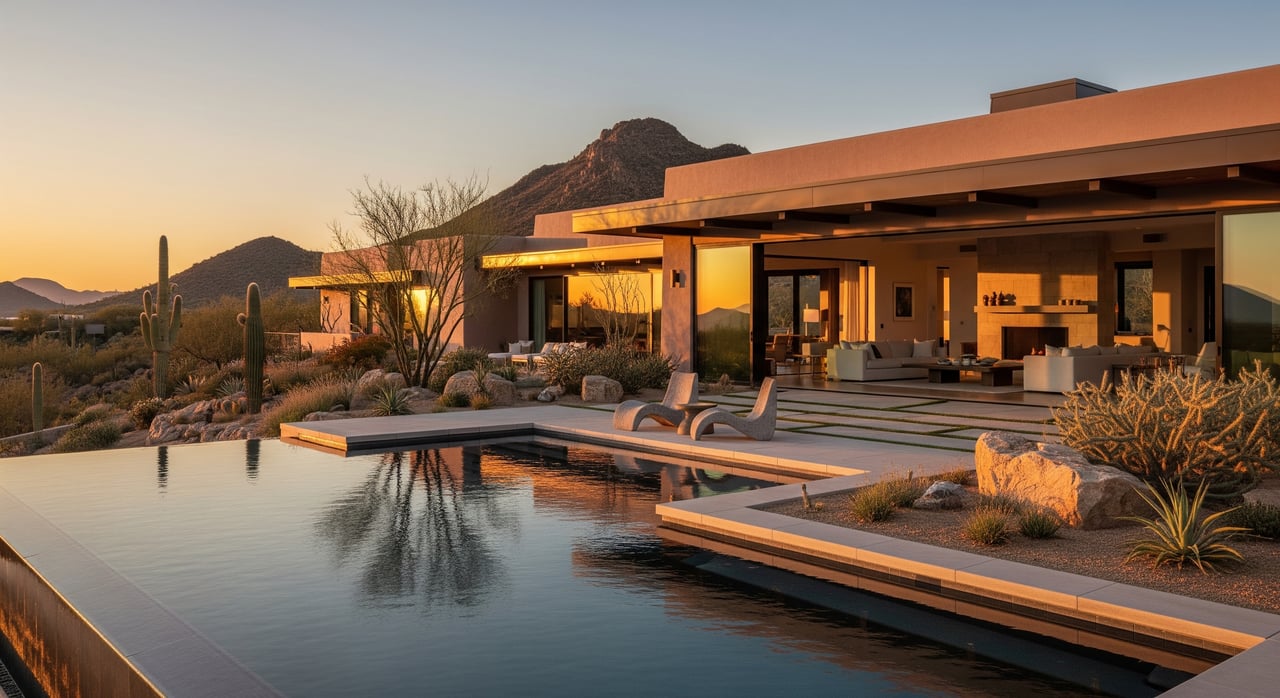
Imagine starting your day with the Rincon Mountains glowing pink and tall saguaros framing the horizon. You breathe in quiet desert air, then plan a morning hike before the sun warms the sand. If you crave privacy, views, and easy access to open space, life in Coyote Creek near Vail can be a great fit. This guide walks you through daily rhythms, climate, outdoor access, homes and lots, and the practical checks you should make before you buy. Let’s dive in.
Coyote Creek at a glance
Coyote Creek sits in the Vail and southeast Tucson area, tucked in the Sonoran Desert with wide views toward the Rincon Mountains and Coronado National Forest. You are a short drive from regional landmarks like Saguaro National Park East, Cienega Creek’s riparian corridors, and Colossal Cave Mountain Park. Many residents commute west into Tucson for work or healthcare. Drive times to central Tucson typically range from about 20 to 40 minutes depending on your exact location and traffic.
Weather and seasons
The Sonoran Desert brings hot summers, mild winters, and a distinct monsoon season that usually spans June through September. Expect afternoon thunderstorms, localized heavy rain, lightning, and the occasional dust storm. The most comfortable months for strenuous outdoor activity are often October through May, while summer outings happen early in the morning. For a deeper look at regional climate patterns, review the NOAA climate normals resources.
A day in the life
Mornings
Sunrise is prime time. You might sip coffee as quail cross your patio, then walk quiet neighborhood streets or head to nearby trailheads. Families typically follow Vail Unified School District schedules, with drop‑offs shaping morning routines. Many kids and adults alike lean into outdoor and equestrian activities.
Midday and afternoons
Remote and hybrid work are common, especially for buyers who value acreage and privacy. It helps to confirm broadband options by address before you buy. When you need a break, you can choose from short hikes, birding along riparian areas near Cienega Creek, mountain biking, or guided cave tours at Colossal Cave Mountain Park.
Evenings and weekends
With lower light levels than central Tucson, stargazing is a favorite way to end the day. Weekends often include drives to trailheads, scenic loops, and time in Saguaro National Park East. You set your pace, whether that means a long hike, a picnic at a park, or a quiet evening on the patio.
Trails, parks, and equestrian access
Coyote Creek places you near public lands and trail networks that define the Vail lifestyle. Saguaro National Park’s Rincon Mountain District offers desert trails and scenic drives. Colossal Cave delivers hiking, horseback riding, and guided cavern tours. Riparian corridors around Cienega Creek draw birders and wildlife watchers. Many Vail‑area communities support equestrian interests, but rules vary. If you plan to keep horses, verify county zoning and any community restrictions about corrals, bridle paths, and riding in shared areas.
Homes, lots, and custom builds
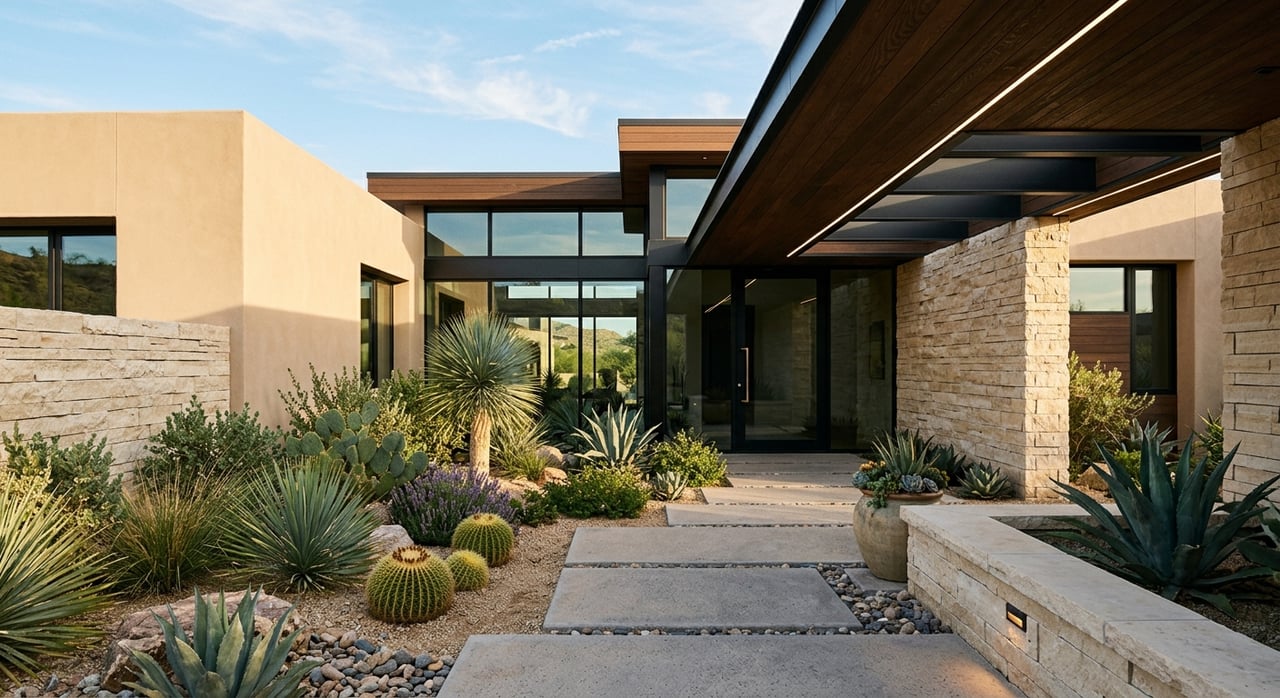
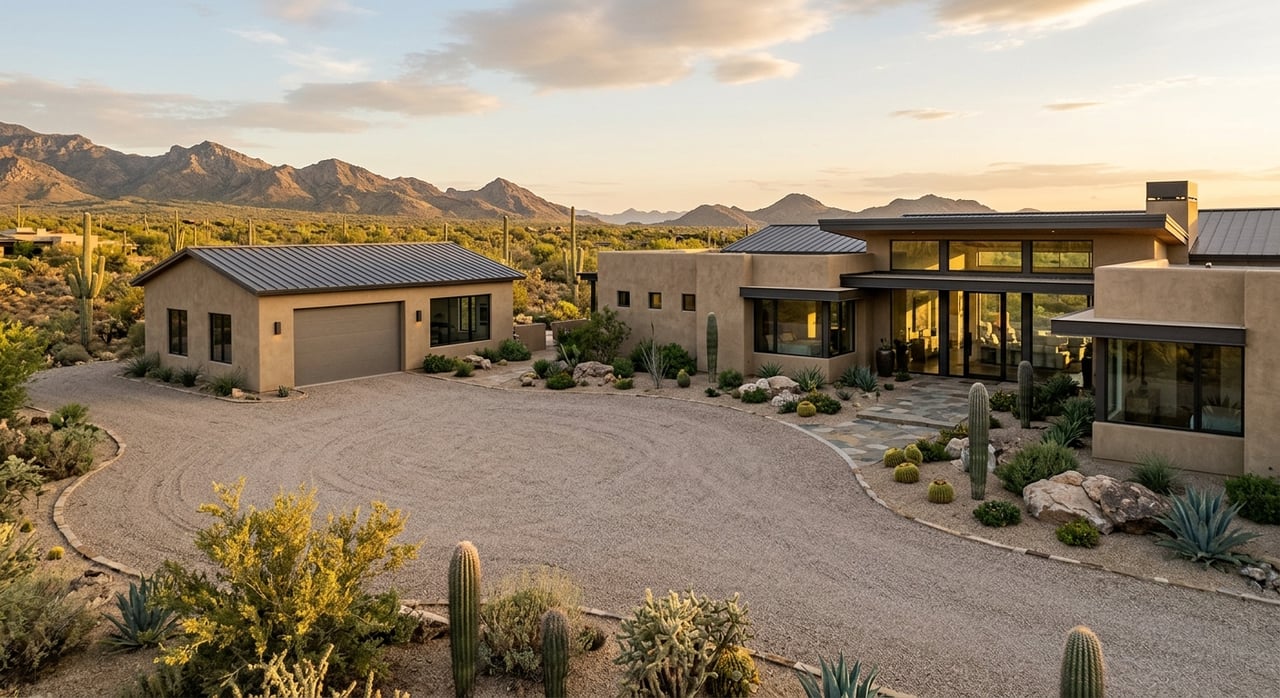
Coyote Creek attracts buyers seeking single‑family homes that blend with the desert setting. In the Vail area, you will find custom and semi‑custom architecture that leans Southwestern, ranch, or contemporary with native landscaping. Lot sizes vary, and many custom neighborhoods offer larger parcels than you typically see in central Tucson. Because parcel details can differ, your best move is to confirm lot dimensions and build history with county records.
Design rules and HOAs
If a given property is within a homeowners association, you will want to review CC&Rs, Architectural Review Committee standards, exterior lighting and landscape guidelines, rental rules, and any recent meeting minutes. If there is no HOA, county zoning and setback rules still apply. Ask for site plans and any previously approved designs, and review ARC timelines if you plan to build or remodel. Early document review helps you avoid delays and aligns your design with community standards.
Utilities and connectivity
Utility setups can change from parcel to parcel in unincorporated areas. Confirm your water source, whether the property is on sewer or a septic system, power provider, natural gas availability, and capacity for solar or a pool. For electricity, many parcels in the region are served by Tucson Electric Power, but you should always verify by address. Internet options may include cable, DSL in some corridors, fixed‑wireless, or satellite. Check availability with provider tools or the FCC National Broadband Map to confirm speed and service type.
Access, grading, and natural hazards
Monsoon rains make drainage and grading important when you build or buy. Before you commit, pull a parcel’s flood status from the FEMA Flood Map Service Center and consult the Pima County Regional Flood Control District for local floodplain layers. Wildland‑urban interface conditions also warrant attention. Ask local fire officials about defensible space and landscaping choices that reduce fire risk.
Services, commutes, and daily errands
You will handle daily errands in the Vail corridor and head into Tucson for larger retail and specialty care. Major hospitals and specialty clinics are in the Tucson metro. Police services for unincorporated areas are provided by the Pima County Sheriff’s Office, while fire and EMS coverage depend on the local fire district that serves your parcel. If commute time is a priority, test drive your route during the hours you care about most.
Schools and enrollment
The Vail area is served by the Vail Unified School District. Because attendance boundaries and program capacity can change, it is wise to confirm assignments and enrollment steps directly with the district. Start with the Vail Unified School District website and boundary resources. Use neutral, up‑to‑date information to plan your school research.
Is Coyote Creek right for you?
You will likely enjoy Coyote Creek if you want space, views, and a direct connection to the outdoors. The tradeoffs are part of the charm and the due diligence. Utilities can vary by parcel, monsoon season shapes design choices, and you may drive farther for some services. If that balance works for you, the lifestyle pays off with quiet nights, desert light, and room to create a home that fits you.
Quick due diligence checklist
- Verify HOA status and request the full packet: CC&Rs, ARC guidelines, fee schedule, meeting minutes, and any reserve study.
- Pull parcel maps and lot dimensions from county records, plus any recorded easements or right‑of‑way issues.
- Confirm utilities by address: water source, sewer or septic, electricity provider, natural gas, and internet options with tested speeds.
- Ask for topographic information, a geotechnical report if available, and any existing site drainage or grading plan.
- Check FEMA flood zones and Pima County floodplain layers, and ask about recent runoff events.
- Review permitting and building history, including prior grading or approved plans.
- Clarify rules on exterior lighting, solar, fencing, equestrian use, and rentals if applicable.
- Talk to neighbors about road maintenance, trash service, wildlife patterns, and seasonal differences.
Start your Coyote Creek search
When you want a custom lot or a premium resale that takes full advantage of the terrain and views, it helps to work with a local steward. Our team blends development know‑how with boutique brokerage service so you can choose the right parcel, builder, and design path with confidence. To tour available lots and homes or to map out your build timeline, connect with Debbie G. Backus for tailored guidance.
FAQs
What is the climate like in Coyote Creek near Vail?
- It is classic Sonoran Desert with hot summers, mild winters, and a June to September monsoon that brings afternoon storms, localized heavy rain, and lightning.
How close is Coyote Creek to Saguaro National Park East?
- You are a short regional drive from Saguaro National Park’s Rincon Mountain District, with access to hiking trails, scenic loops, and desert viewpoints.
Are there HOAs in Coyote Creek?
- Many Vail‑area neighborhoods use HOAs, but specifics vary by parcel, so ask the seller or agent if an HOA applies and request CC&Rs, ARC standards, and the fee schedule.
What utilities and internet options are typical?
- Utility setups differ by lot; confirm water, sewer or septic, power, and gas by address, and check provider tools or the FCC map for internet types and speeds.
Which schools serve the Vail area around Coyote Creek?
- Properties in this area are served by the Vail Unified School District, but you should verify current attendance boundaries and enrollment directly with the district.
What should I check about flood or fire risk before buying?
- Review FEMA flood status, consult Pima County floodplain layers, and ask local fire officials about defensible space, landscaping, and seasonal hazard considerations.