Craving more sky, privacy, and desert views without losing touch with Tucson? If you are weighing a move to Corona de Tucson in southern Pima County, you are not alone. Many buyers are drawn to its semi-rural feel, larger lots, and access to open space. In this guide, you will learn how homes are built and sited here, what to know about wells and septic, how HOAs work, commute realities, outdoor access, and a practical checklist to help you relocate with confidence. Let’s dive in.
Why Corona de Tucson appeals
Space, views, and a semi-rural feel
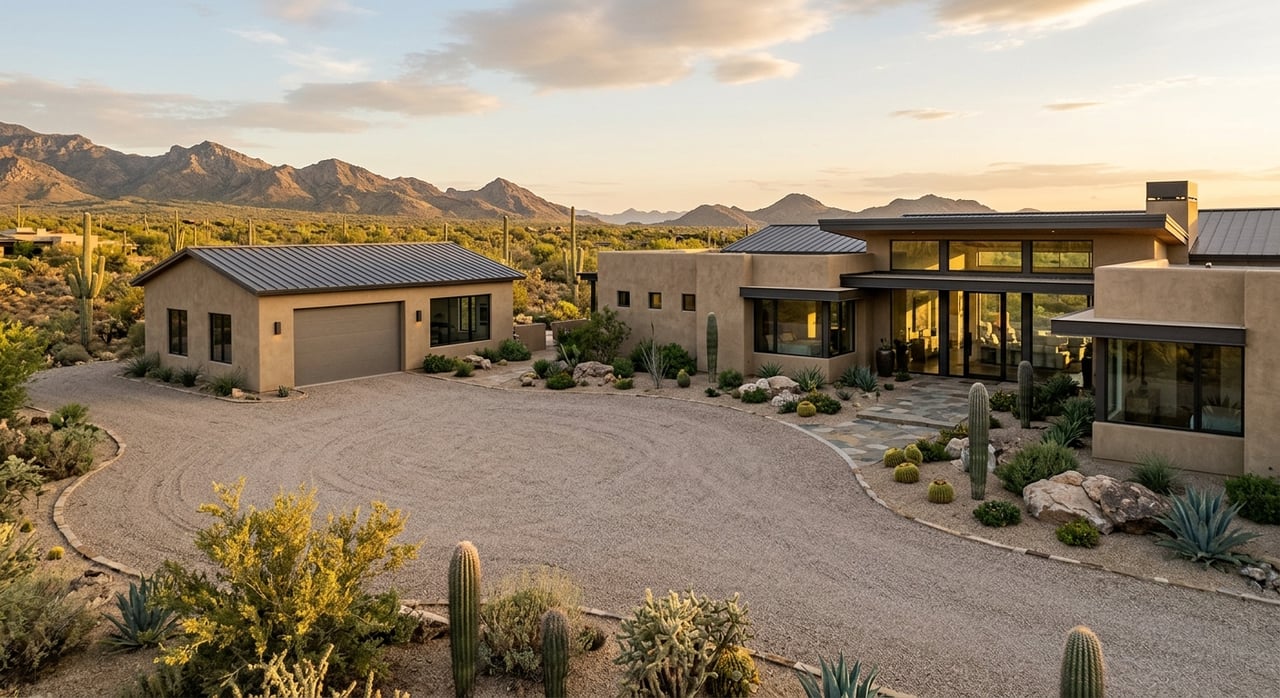
You will find a foothills setting with mountain and desert vistas that many neighborhoods intentionally capture through lot orientation. The community blends quiet streets and dark skies in some pockets with convenient access to greater Tucson. If you value privacy and room to breathe, the area’s development pattern supports that lifestyle.
Housing mix and lot sizes
Most homes are single-family and span 2 to 4 or more bedrooms, with both planned subdivisions and custom homes on larger parcels. In denser subdivisions, lots often sit under a half acre. In semi-rural pockets, you can find 1 to 5 or more acres, including properties sometimes marketed for hobby equestrian use.
Architecture and landscaping
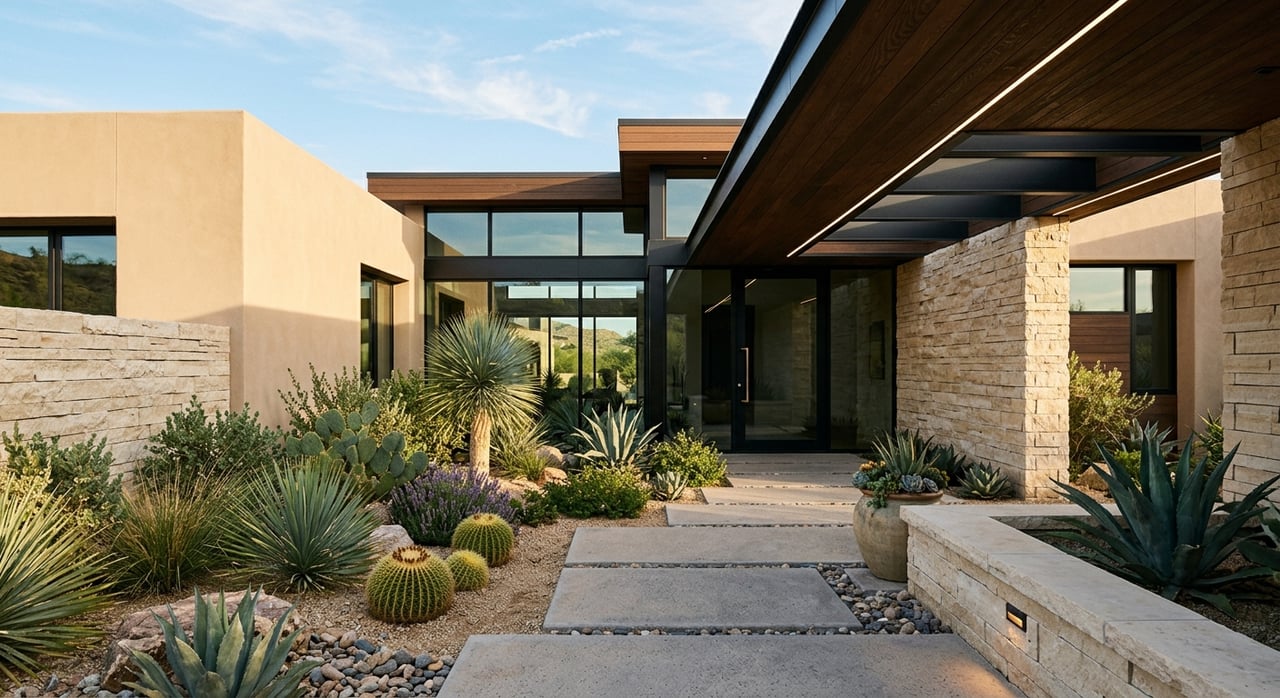
Single-story ranch and Southwestern-style exteriors are common, though you will see variety. Many homes are positioned to maximize views through elevation and thoughtful siting. Landscaping often leans toward xeriscape and low-water designs, while larger parcels may mix gravel, native vegetation, and selectively irrigated areas.
Neighborhood patterns and HOAs
Subdivisions vs. custom parcels
You will encounter both master-planned subdivisions and scattered custom builds. Subdivisions typically offer consistent architectural themes and common-area maintenance. Custom parcels vary in size, setbacks, and design, which can appeal if you want more latitude in site planning.
What HOA living means
Many subdivisions have active HOAs with recorded CC&Rs, architectural guidelines, and dues. HOAs can enforce rules, maintain common areas, and levy fines or special assessments. During escrow, request full HOA documents including CC&Rs, bylaws, budget, reserve studies, recent minutes, and any litigation disclosures.
Non-HOA parcels
Some properties lie outside HOA governance. You gain flexibility in use and design, but you also assume responsibility for standards, private road agreements, and any shared maintenance. Confirm recorded easements for ingress, egress, and utilities.
Utilities and infrastructure
Electric and gas
Electric service is typically provided by a regional utility, and much of Pima County is historically served by Tucson Electric Power. Natural gas may be available from Southwest Gas in the Tucson region. Always confirm serviceability, capacity for planned additions, and connection costs for your specific address.
Water and wastewater
Water and sewer setups vary by neighborhood. Subdivisions closer to town may connect to municipal or private water and wastewater systems. Many larger-lot or rural-style properties rely on private wells and septic systems. Build contingencies for a complete well inspection, water quality testing, septic inspection, and verification of permit history. These systems affect financing, insurance, and future maintenance planning.
Internet and trash services
Internet options range by address. Expect a mix of cable if present, limited fiber in rural pockets, DSL in some areas, plus fixed wireless or satellite. Trash and recycling are usually contracted with private haulers by the owner or HOA, so check service areas and pickup schedules before move-in.
Permits and records
Pima County issues building, septic, and well permits. To understand a property, review permit history, septic and well records, and any zoning constraints. A parcel viewer and assessor records can help you verify lot size, legal description, and past improvements.
Commute and transportation
Everyday driving patterns
Residents often commute to Tucson job centers or other employment corridors. Drive time depends on your destination and time of day. Use live mapping tools during the hours you expect to travel to gauge realistic commute times from a short list of candidate homes.
Road types and maintenance
You will drive a mix of paved subdivision streets, county-maintained roads, and occasional unpaved service or private roads. Confirm who maintains the roads that serve your property: Pima County, an HOA, or a private agreement. This is especially important for financing and long-term upkeep.
Public transit reality
Public transit is limited compared to central Tucson, and most households rely on personal vehicles. Some commuters coordinate carpools or use employer shuttles where available. Plan for dependable vehicle access and parking.
Monsoon impacts
Summer monsoon storms can temporarily affect secondary roads and cause localized flooding in washes. Check routes for low-water crossings, keep a weather eye during storm season, and plan alternatives when needed.
Schools and essential services
School boundaries and options
School assignments depend on the parcel address, and districts serving southern Pima County use boundary maps and lookups to confirm placements. If you need bus routes or school choice information, confirm directly with the relevant district by address. This ensures you have accurate, current information for your household.
Health care and emergency services
Primary care clinics and hospitals are accessible in the greater Tucson region, with urgent care options found along major corridors. Because Corona de Tucson spans unincorporated areas, confirm your fire district and law enforcement coverage. Fire district affiliation can influence insurance and preparedness planning.
Outdoor lifestyle and climate
Recreation at your doorstep
You have quick access to foothills, desert trails, and regional public lands for hiking, mountain biking, birding, and equestrian pursuits. Many residents appreciate the open skies for stargazing in areas with lower light pollution. Confirm trailheads and public access points near your target neighborhood.
Desert climate basics
Expect very hot summers with a mid-summer monsoon season and mild winters. Temperature swings from day to night can be significant, which shapes daily routines and outdoor plans. Xeriscaping and water-wise design are common and often encouraged by HOAs and local norms.
Hazards to evaluate
In foothill-adjacent areas, evaluate wildfire risk and consider defensible space and fire-wise landscaping. Monsoon-driven flash flood risk can affect parcels near washes, so review floodplain maps and ask about historical drainage patterns. Plan for desert wildlife and install appropriate pest exclusion and safety measures.
Everyday conveniences
Shopping and services
Grocery stores, pharmacies, and retail centers are clustered along major corridors and in nearby towns. Convenience varies by neighborhood, so factor drive times to supermarkets, specialty services, and medical care into your short list. Buyers on more remote lots often plan fewer, larger trips for errands.
Costs and budgeting considerations
Utility setup and connection
If you are purchasing a remote lot or planning new construction, build a budget for potential utility extensions or upgrades. Confirm power capacity for future improvements like workshops, RV hookups, or EV charging. For private wells and septic, include inspection, testing, and ongoing service costs in your financial plan.
HOA dues and assessments
If your property is governed by an HOA, request the current dues schedule, reserve study, and any pending or recent special assessments. Understanding the association’s budget and maintenance plan helps you anticipate future costs.
Inspection and maintenance planning
Rural systems thrive on proactive care. Schedule septic pumping at manufacturer-recommended intervals, maintain well equipment, and track filter replacements. Create a simple maintenance calendar for HVAC, roofing, and desert landscaping to protect your investment.
Relocation checklist
Decision phase
- Define your must-haves: lot size, views, equestrian needs, HOA preference, and commute tolerance.
- Compare subdivisions with custom-lot areas to match your lifestyle and budget.
- Use live mapping to test commute times at your actual travel hours.
- Research school assignments and transportation by exact address.
Due diligence and contingencies
- Order well inspection and water quality testing; confirm flow rate and review any regional considerations your inspector recommends.
- Schedule septic inspection and verify permit history and absorption field location.
- Review title and recorded easements for ingress, egress, utilities, and shared driveways.
- Request full HOA documents: CC&Rs, bylaws, budget, reserve study, minutes, and any litigation disclosures.
- Assess hazards: flood risk and fire district guidance for defensible space.
Closing and immediate post-move
- Set up utilities early: electric, gas if available, water, wastewater or septic service, trash, and internet.
- Update USPS, DMV, and voter registration; enable mail forwarding.
- Meet HOA or community contacts; secure gate codes, amenity access, and neighborhood guidelines.
- Schedule maintenance: septic pumping timeline, well service schedule, HVAC tune-up.
Moving logistics
- Choose movers comfortable with rural driveways and limited turnaround space.
- Prepare for heat: shade, hydration, and a car kit for monsoon season.
- If relocating from out of state, plan a scouting trip to see neighborhoods during rush hour, midday, and evening.
First 30 days in Corona de Tucson
Get your home dialed in
- Walk the property after a rain to observe natural drainage and note any pooling.
- Label shutoff valves for water and gas where applicable, and test GFCI outlets and smoke detectors.
- Identify local contractors: well and septic, HVAC, roofing, pest control, and landscaping.
Connect to the community
- Introduce yourself to neighbors and HOA contacts to learn about service days and local tips.
- Explore nearby trailheads and parks early in the morning or late afternoon.
- Save non-emergency numbers for your fire district and sheriff’s office.
How Backus Realty supports your move
You deserve a guide who understands Corona de Tucson’s mix of subdivisions, custom parcels, wells, septic, and HOA nuances. As a boutique, locally rooted brokerage with development insight, we help you evaluate lot fit, verify utility realities, and navigate due diligence with clarity. Whether you want a premium resale home, a custom-lot opportunity, or an acreage property, you get personal, high-touch service built on long-term community knowledge.
Ready to find the right home and land in southeast Pima County? Reach out to Debbie G. Backus for a thoughtful, local strategy and a smooth transition to Corona de Tucson.
FAQs
What types of homes are common in Corona de Tucson?
- Mostly single-family homes in subdivisions and custom builds, with lot sizes ranging from under a half acre to 1 to 5 or more acres in semi-rural areas.
How do utilities work for larger lots in Corona de Tucson?
- Many larger parcels use private wells and septic systems, while some subdivisions connect to municipal or private utilities; always verify service and plan inspections.
Are HOAs common in Corona de Tucson neighborhoods?
- Many subdivisions have active HOAs with CC&Rs and dues, but there are also non-HOA parcels; request full documents during escrow to understand rules and costs.
What is the commute like from Corona de Tucson to Tucson job centers?
- Commute time varies by destination and time of day; check live mapping during your typical drive hours to get realistic estimates from specific addresses.
What should I know about flood or wildfire risk near the foothills?
- Evaluate floodplain exposure near washes and review wildfire risk in wildland-urban interface areas, then plan defensible space and insurance accordingly.
How reliable is internet in rural parts of Corona de Tucson?
- Availability varies by address; options can include cable if present, limited fiber in some pockets, DSL, fixed wireless, or satellite for more remote homes.
What inspections are essential before buying an acreage property?
- Prioritize well inspection with water quality testing, septic inspection with permit verification, title and easement review, and hazard checks for flood and fire.