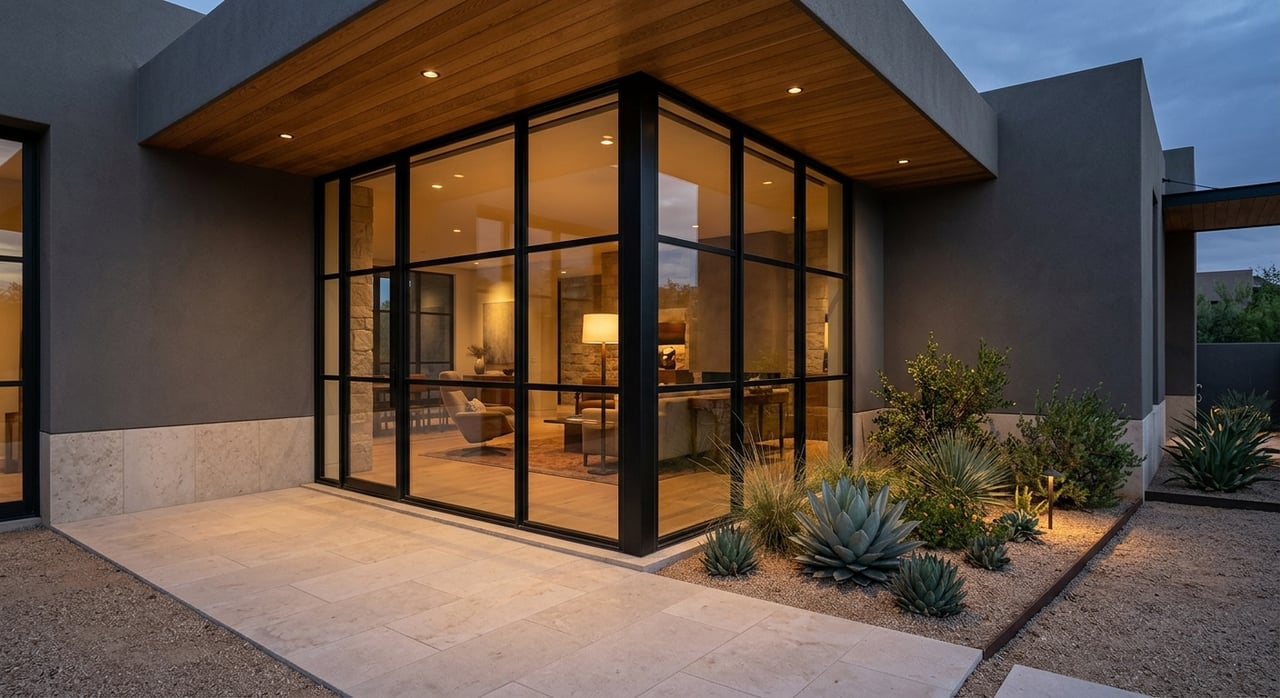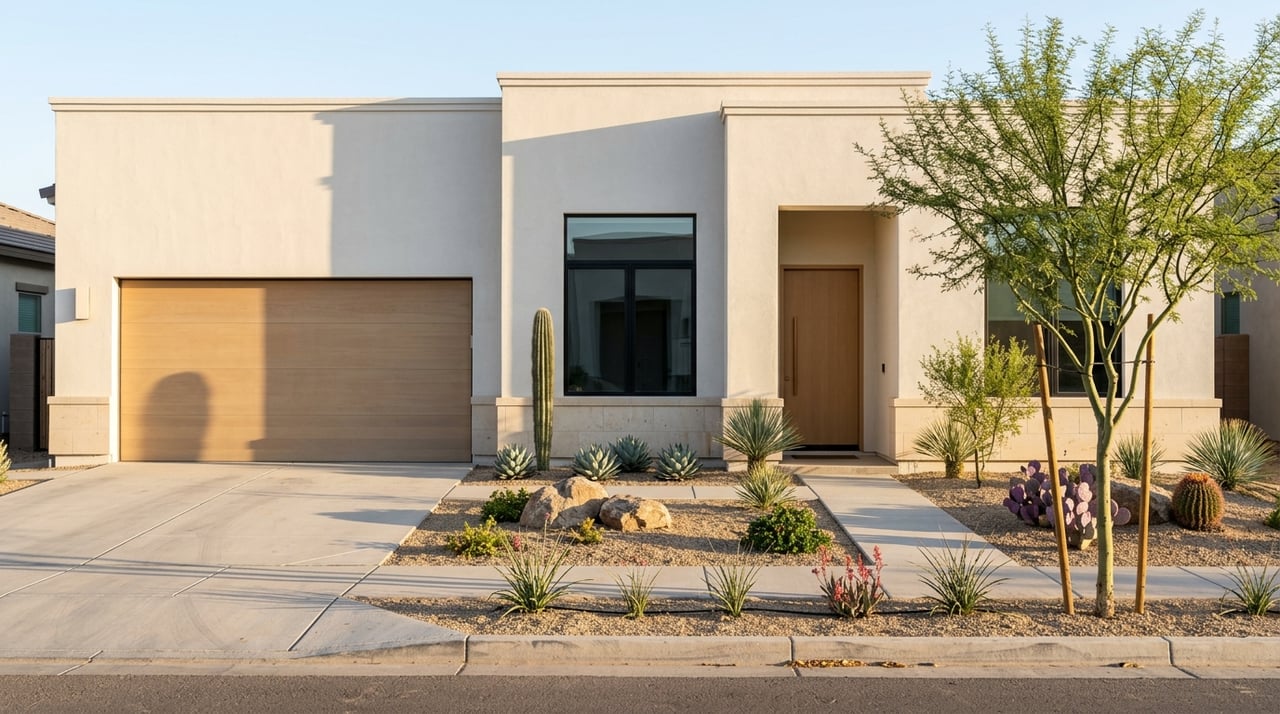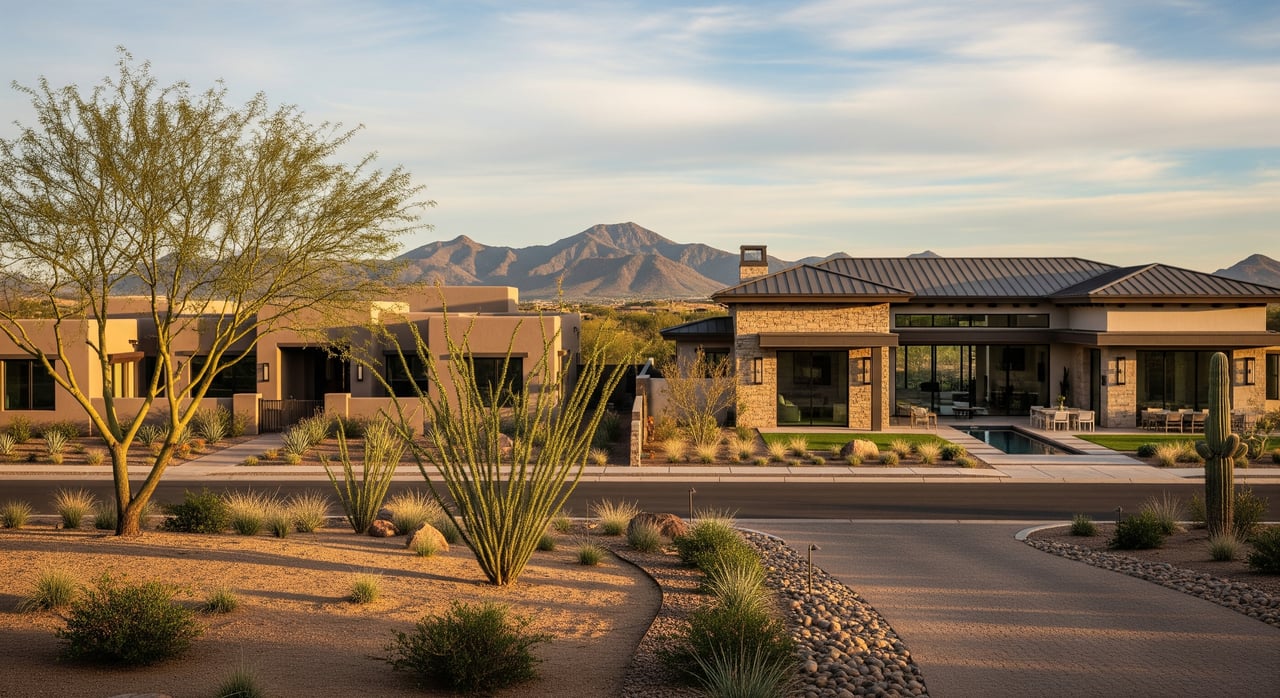
Trying to decide between buying a new home in a master-planned community or building a fully custom home on your own lot in Sahuarita? Both paths can get you to a beautiful desert home, but they differ in timelines, costs, approvals, and day-to-day lifestyle. You want clarity so you can choose with confidence and avoid expensive surprises. In this guide, you’ll learn how each option works locally, what to budget for, how long it typically takes, and smart next steps to line up land, builders, and financing. Let’s dive in.
Master-planned basics in Sahuarita
A master-planned community in Sahuarita, such as Rancho Sahuarita, offers coordinated development with infrastructure, amenities, and an HOA that manages common areas and design standards. You will usually choose from a set of floor plans and finish packages, then complete a predictable design review. Many neighborhoods have municipal water and sewer, sidewalks, parks, and social programming.
These communities publish design guidelines and CC&Rs that cover items like setbacks, fencing, and exterior materials. HOA dues support amenities and neighborhood upkeep, which many buyers value for simplicity and consistency. Always verify HOA fees, rules, and what is included before you sign.
Custom build basics around Sahuarita
If you build on a custom lot in or around Sahuarita, you control the design, layout, and features. Lots in unincorporated Pima County often require more due diligence. Some parcels rely on septic systems and private wells rather than municipal sewer and water. Site work, grading, and utility extensions can be major variables.
The Sonoran Desert environment makes good planning essential. You should evaluate drainage patterns, any nearby washes, and soil conditions. A geotechnical report and a thoughtful orientation plan for sun and wind can improve comfort and long-term performance. Expect more decision points, but also more design freedom.
Timelines at a glance
- Inventory or spec home in a master-planned community: If a finished home is available, you can often close in a typical 30 to 60 days.
- Build-to-order or semi-custom on a developer lot: Contract to move-in typically ranges 4 to 9 months, depending on builder schedule and selections.
- Custom build on a private lot: Design to move-in commonly spans 9 to 18 months or longer, depending on complexity, permitting, and site work.
These are typical ranges. Always confirm current builder schedules and local permit timelines with the Town of Sahuarita or Pima County.
Cost drivers you must plan for
Master-planned costs
- Economies of scale on land and materials can help keep base prices competitive.
- Builder incentives or preferred lender options may be available.
- Upgrades, lot premiums, and option packages can add up quickly beyond the base price.
- Plan for recurring HOA dues and any community assessments.
Custom lot costs
- Lot price varies widely by location and size. Raw land can look affordable but may need substantial investment for utilities and access.
- Site preparation is a big variable. Grading, drainage solutions, retaining walls, and soil remediation can significantly impact your budget.
- Professional fees matter. Architects, engineers, and specialty consultants add design value and cost.
- Expect contingencies. A 10 to 15 percent contingency is commonly recommended for custom builds to handle change orders and unknowns.
- Carrying costs can be higher during a long build, including construction loan interest, insurance, and temporary housing.
Design freedom vs predictability
- Master-planned: You choose from a curated set of plans and finish packages. The look and feel are coordinated, and the outcomes are predictable. Many buyers prefer the speed and simplicity.
- Custom: You drive the vision. From footprint and orientation to finishes and specialized spaces like a guest casita or workshop, you call the shots. The tradeoff is more complexity and more steps to coordinate.
Permits, approvals, and rules
Master-planned path
- Developers typically handle the big entitlements and install infrastructure.
- You navigate standard building permits for your home.
- The HOA or developer design review process is documented and predictable.
Custom build path
- You or your builder manage zoning checks, site entitlements, and building permits.
- Confirm whether you will connect to municipal utilities or need well and septic approvals.
- Review floodplain and wash maps. Some lots will require drainage plans or mitigation.
- Expect more steps and possible permit conditions depending on the site.
Verify specifics directly with the Town of Sahuarita for parcels in town limits and with Pima County Planning and Development Services for unincorporated areas.
Financing options
Master-planned buyer
- Inventory and spec homes usually qualify for a standard mortgage.
- Some builders offer incentives or preferred lender programs. Ask for details and compare offers.
Custom construction borrower
- Construction loans typically require higher down payments and interest-only draws during the build.
- One-time-close construction-to-permanent loans are available from some lenders. Underwriting and documentation are different from a standard mortgage.
- Longer build times mean higher carrying costs. Include an interest reserve in your planning.
Talk with lenders experienced in new construction in Pima County to map the right loan structure for your project.
Warranties, licensing, and quality control
- Master-planned builders often provide structured warranty programs. It is common to see 1 to 2 years on workmanship and materials and around 10 years on structural elements. Verify the exact coverage and process for service requests.
- Custom builder warranties vary. Your contract should spell out warranty scope, how defects are handled, and who is responsible for each system.
- Always verify a builder’s Arizona license and complaint history with the Arizona Registrar of Contractors. Ask for references and a portfolio of completed work.
- Consider third-party inspections at key milestones. A clear inspection plan helps catch issues early and protects your investment.
Lifestyle and amenities
- Master-planned living often includes pools, clubhouses, parks, trails, and social events. HOA dues fund and manage these amenities.
- On a custom lot, you create private amenities such as a larger yard, pool, or equestrian features. You control the design and the maintenance.
Resale and marketability
- Buyer pool: Master-planned homes appeal to a broad range of buyers who value newer product, amenities, and an easy purchase process. Custom homes tend to attract a more niche audience that prioritizes unique design, privacy, or acreage.
- Pricing and comps: Master-planned neighborhoods offer consistent comparables, which can make appraisals more straightforward. Custom homes can command premiums when well executed in a desirable setting, but over-customization may narrow the buyer pool.
- HOA factors: Strong governance and well-kept amenities can support price stability. High dues or restrictive rules may deter some buyers, so disclose all costs and guidelines up front.
- Long-term costs: Unique materials, specialty systems, and custom hardscape can raise maintenance over time. Budget for replacements and upkeep when you plan your exit horizon.
Who should choose which path
Master-planned is a better fit if you
- Want a faster move-in and predictable process.
- Prefer managed amenities and maintained common areas.
- Value economies of scale and potential builder incentives.
- Want a streamlined mortgage path and fewer build decisions.
Custom build is a better fit if you
- Want high design control, unique architecture, or special site features like views and privacy.
- Can manage a longer timeline and more decision points.
- Need specialized spaces such as an accessory dwelling, workshop, or larger yard.
- Are comfortable with construction loans and carrying costs during the build.
Quick decision checklist
Score each item from 1 to 5, where 1 is low priority and 5 is critical.
- Time to occupy
- Budget predictability
- Level of design customization
- Desire for community amenities
- Tolerance for construction oversight and decisions
- Need for municipal utilities versus acceptance of well and septic
- Resale priority within 3 to 7 years
- Willingness to absorb change orders and contingencies
Your next steps
- Get preapproved. Ask lenders about construction-to-permanent options if a custom build is on your radar.
- Build a full budget. Include land, site work, construction, permits, utility connections, insurance, taxes, HOA dues, and a 10 to 15 percent contingency for customs.
- Verify land details early. Confirm zoning, recorded plats, and any CC&Rs through the Town of Sahuarita or Pima County. Obtain floodplain and wash maps.
- Order site studies. A survey and geotechnical report inform foundation and grading decisions and can prevent costly surprises.
- Clarify utilities. Confirm availability and cost to connect water, sewer, electric, gas, and data, or plan for well and septic if required.
- Interview pros. Speak with at least two or three builders and, for custom projects, consider architects who know desert design and energy efficiency.
- Request documents. Ask for sample contracts, warranty details, allowance schedules, typical change order policies, and a line-item estimate for site work and systems.
- Protect yourself. Have contracts reviewed by a real estate attorney experienced in construction. Clarify milestones, payment schedule, dispute resolution, and permitting roles.
- Inspect as you go. Use third-party inspections at key stages and keep all selections and change orders in writing.
- Close cleanly. Collect lien releases before final payment and organize warranty contacts and owner manuals.
A simple timeline example
If you choose an inventory home in a master-planned community, you could close in 30 to 60 days. If you select a plan and lot with a builder, 4 to 9 months is a typical range. For a custom design on a private lot, plan for 9 to 18 months from design through move-in. These are typical ranges only. Confirm current schedules with your builder and the permitting office.
Ready to compare options side by side
Whether you want amenities and speed or acreage and design control, you have good paths in Sahuarita. If you would like help weighing costs, timelines, and local rules, or if you want introductions to vetted builders and available lots, reach out. Connect with Debbie G. Backus for tailored guidance, on-the-ground insights, and a clear plan for your next move.
FAQs
What is a master-planned community in Sahuarita?
- It is a coordinated neighborhood with installed infrastructure, HOA governance, design guidelines, and amenities such as parks, trails, and clubhouses, plus a predictable build and review process.
How long does a custom home near Sahuarita usually take?
- Typical projects run 9 to 18 months from design to move-in, depending on complexity, permitting, and site work. Always verify current timelines with your builder.
What utilities should I confirm for a custom lot in Pima County?
- Verify availability and cost of water, sewer, electric, gas, and data. Many outlying lots require septic and sometimes a private well rather than municipal connections.
How do HOA rules affect buying in a master-planned community?
- CC&Rs and design guidelines shape exterior materials, fencing, and setbacks. HOA dues fund amenities and maintenance, which can support desirability and price stability.
What should I ask a Sahuarita builder before signing?
- Request license verification, references, warranty terms, allowance schedules, a clear change order policy, and a line-item estimate for site work and major systems.
How do construction loans work for custom builds?
- They typically require higher down payments and use interest-only draws during construction. Some lenders offer one-time-close loans that convert to a standard mortgage at completion.