Thinking about buying land in Rincon Valley? It can be an exciting way to create options for your future, whether you want to build a custom home, hold a parcel for resale, or secure a larger piece of property in southeast Pima County. But land investing here is rarely as simple as finding a pretty view and making an offer. If you want to make a smart decision, you need to understand zoning, access, utilities, flood risk, and recorded restrictions before you buy. Let’s dive in.
Why Rincon Valley Draws Land Buyers
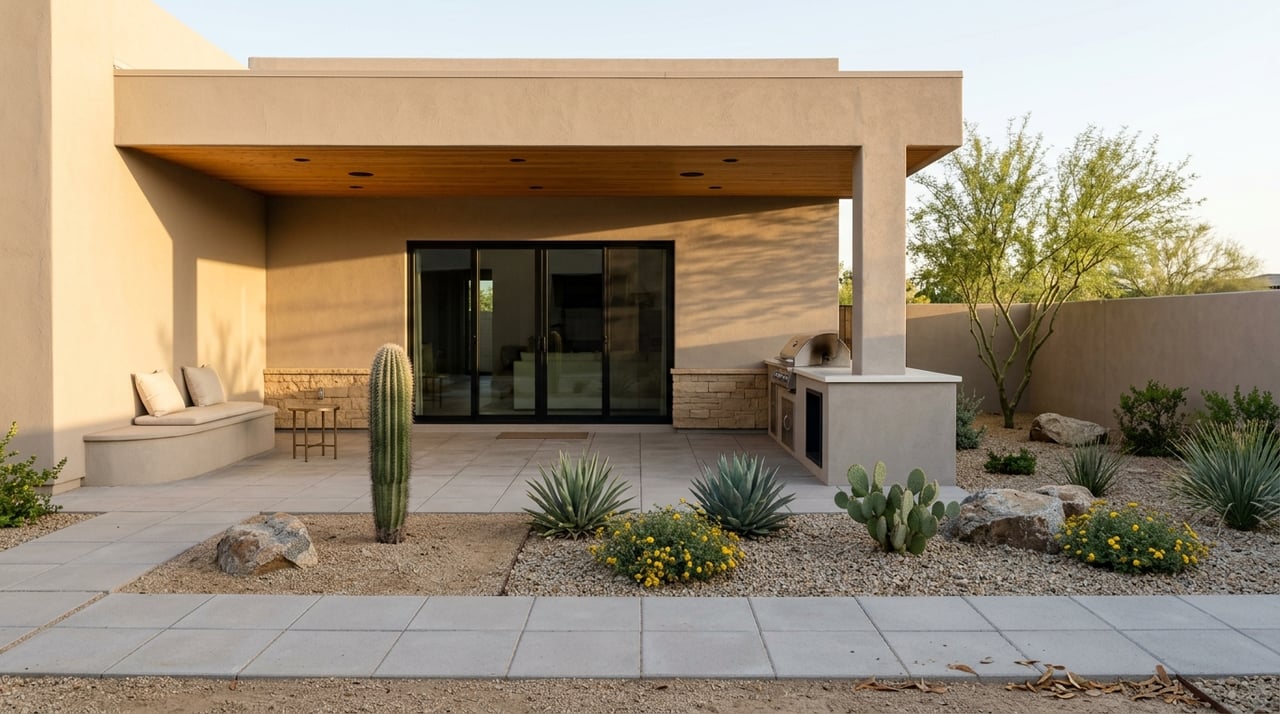
Rincon Valley sits in southeast Pima County and includes a mix of desert scenery, grassland, riparian habitat, and mountain views. It is not a single type of land market. You will find both scenic rural edges and platted residential areas, including estate-style neighborhoods like Rincon Valley Estates and nearby Coyote Creek.
That mix is part of the appeal. For you as a buyer or investor, it means one parcel may feel very different from the next, even if they are close together. Some lots are better suited for a custom build, while others may work better as a longer-term hold or resale opportunity.
Start With Parcel Type and Zoning
Before you think about views, fencing, or future resale, start with zoning and land-use designation. In southeast Pima County, the zoning map includes categories such as CR-1, GR-1, SR, RH, and SH. Pima County also notes that much of the unincorporated county is rural-zoned, with some low-density rural designations allowing as little as 0.3 residences per acre.
That matters because lot size alone does not tell you what you can do with a parcel. A five-acre lot may still come with limits that affect whether you can build, split, or market it later to an owner-builder. If you are underwriting land value, zoning should be the first item you verify.
Why buildability is not automatic
A parcel can be legally described and still require more research before it becomes truly usable. Buildability depends on zoning compliance, land-use rules, access, utility conditions, and site constraints. In a market like Rincon Valley, those details often create the difference between a straightforward purchase and a costly surprise.
What to ask early
When you review a parcel, start with a few direct questions:
- What is the current zoning?
- What land-use designation applies to the parcel?
- Is the parcel part of a recorded subdivision or a more rural tract?
- Does the current zoning support your intended use?
- If your plan is to split later, do county rules appear to allow it?
Understand Lot Splits Before You Count on Them
A common investing idea is to buy a larger parcel now and split it later. That can work, but only if county rules support it. In Pima County, new divisions of rural or residential land require more than a rough concept.
The county’s minor-land process requires zoning compliance, legal and physical access, proper utility easements, a survey, and a preliminary title report showing legal access. It also requires a surveyor or engineer statement confirming that each resulting parcel has physical access that a two-wheel-drive passenger vehicle can traverse.
The review process also has a defined timeline once an application is submitted through Permit Gateway. Pima County gives five working days for administrative completeness review and 30 working days for substantive review once the application is complete.
Avoid assumptions about easy subdivision
It is important not to assume that a large parcel can simply be carved into smaller lots. Arizona law also warns against acting in concert to create six or more lots or parcels in a way that avoids subdivision rules. If your investment strategy depends on a future split, you should treat that question as a core due-diligence item, not a bonus possibility.
Access Can Make or Break Value
In Rincon Valley, access is one of the most important parts of land due diligence. A parcel may look accessible on a map, but the real question is whether it has documented legal access and usable physical access. Those are not always the same thing.
Pima County’s land-division rules require both. Arizona’s affidavit of disclosure also asks directly about legal and physical access, along with road maintenance responsibility.
Public road or private road?
You should confirm whether the road serving the parcel is public or private. If it is private, you also need to know who is responsible for maintenance. A privately maintained road can affect both your holding costs and your resale appeal.
For many buyers, uncertainty around access lowers confidence. For investors, that usually means lower marketability too.
Utilities Need Parcel-by-Parcel Review
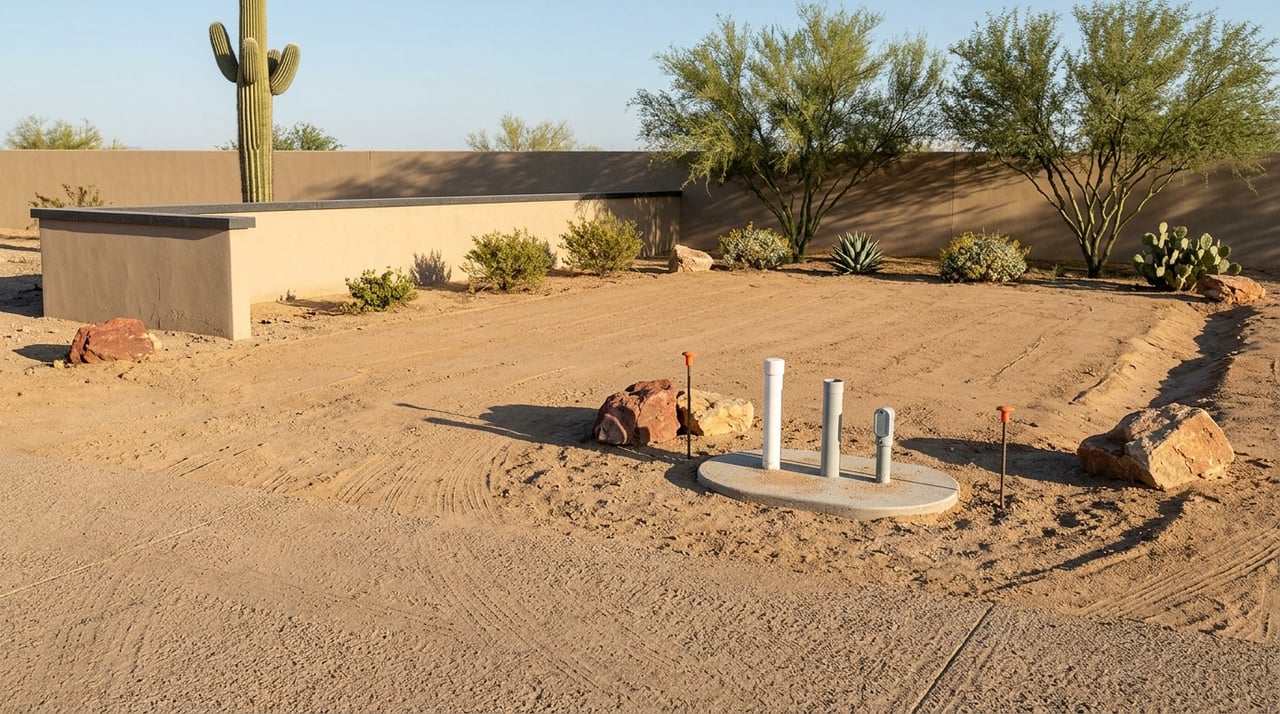
Utilities are another area where land buyers can get tripped up. In Rincon Valley, one lot may have nearby service options while another may require a very different plan. You should verify utility status for each parcel instead of relying on general area assumptions.
Water service is not one-size-fits-all
Tucson Water has a formal water-service-area policy boundary, but not every parcel in the area will have the same water setup. Arizona’s land disclosure rules require the seller to state whether the property is served by a municipal provider, private water company, private well, shared well, or no well, and whether water must be hauled.
That means a parcel may be legally sellable and still need additional planning. If your exit strategy depends on an easy custom-home sale, water source clarity can have a major effect on buyer interest.
Septic is a regulated system
If a parcel is not connected to sewer, septic is not a casual afterthought in Pima County. The county requires construction authorization before installation and discharge authorization before the system can be put into service.
If there is already an active septic system on the property, the seller must retain a qualified inspector to inspect it within six months before closing and provide that report to the buyer. After closing, the transferee must submit a Notice of Transfer. If the parcel will connect to sewer instead, the permit process still requires specific property and project details.
Floodplain and Drainage Matter More Than You Think
In southeast Pima County, flood and drainage review is a normal part of land due diligence. This is especially important for parcels near washes, low spots, riparian areas, or other drainage-sensitive locations.
Pima County’s floodplain ordinance requires a floodplain use permit for new structures and other development in FEMA special flood hazard areas, other regulatory floodplains, riparian habitat areas, and erosion hazard areas. Site plans may also need to show structures, grading, drainage features, utility lines, berms, fences, and other elements that could affect water flow.
The key question is often where you can build
For many parcels, the issue is not simply whether a home can be built. The better question is where it can be built safely and legally on the site. That distinction can affect home placement, site costs, and long-term resale value.
Do Not Skip the Affidavit of Disclosure
For transfers of five or fewer parcels in an unincorporated county area, Arizona requires a written affidavit of disclosure at least seven days before transfer. The buyer then has a five-day rescission window after the affidavit is furnished.
This document matters because it asks about many of the issues that drive land value and risk, including:
- Legal and physical access
- Road maintenance responsibility
- Floodplain location
- Available services
- Water source or hauling
- Septic
- Zoning compliance
- Compliance with land-division law
The county recorder does not verify the accuracy of the affidavit. That means you should treat it as a key due-diligence document that deserves careful review, not just another closing form.
Check Recorded CC&Rs Before You Buy
A parcel can feel rural and still be part of a recorded subdivision with use restrictions. Pima County Recorder records and preserves public land documents and has improved public access to CC&Rs. Those covenants can affect use, appearance, landscaping, maintenance, commercial activity, and other property details.
In practical terms, CC&Rs may shape what you can build or how you can improve the site. They may also affect fences, outbuildings, and future resale expectations. If you are buying in a platted area such as an estate-style neighborhood, this review is essential.
Underwrite Holding Costs Realistically
When people think about holding costs, they often focus only on county property taxes. In reality, parcel-specific carrying costs can reflect multiple taxing authorities. For tax year 2025, Pima County Treasurer tax area 2002 included Pima County, Vail Unified School District, Pima Community College, Joint Technical Education District, Rincon Valley Fire District, and a separate fire-district-assistance levy.
The treasurer also notes that most property taxes are due in two installments on October 1 and March 1, and become delinquent on November 1 and May 1. Since tax areas and rates can change, you should verify the current parcel-specific tax statement before you finalize your numbers.
A Smart Due-Diligence Order for Rincon Valley
When you are investing in land, the order of your research matters. A clear process helps you avoid spending time on a parcel that will not meet your goals.
Use this review sequence
- Confirm zoning and land-use designation.
- Verify legal access, physical access, and road maintenance responsibility.
- Check utility easements and service status.
- Confirm water source.
- Review sewer or septic status.
- Check floodplain, riparian, and drainage conditions.
- Review recorded CC&Rs.
- Verify current taxes and holding costs.
This sequence follows the practical issues highlighted in Pima County rules and Arizona disclosure requirements. It also mirrors how experienced land buyers remove uncertainty before they commit.
What Makes a Parcel More Marketable
In Rincon Valley, the most marketable parcels usually have fewer unanswered questions. Buyers tend to respond better when access is documented, utility status is known, septic or sewer questions are resolved, flood concerns are understood, and CC&Rs have already been reviewed.
That is why value creation often comes from removing uncertainty. Waiting alone may not improve a parcel’s appeal, but clarifying the facts often does.
If you are considering lot and land investing in Rincon Valley, local context matters. From custom-lot opportunities to estate-style neighborhoods and rural parcels, the right property can be a strong fit for your goals when the due diligence is handled carefully and in the right order. If you want experienced, place-based guidance on land, custom lots, or premium property in southeast Tucson, connect with Debbie G. Backus.
FAQs
What should you check before buying land in Rincon Valley?
- Start with zoning and land-use designation, then verify access, utilities, water, septic or sewer, floodplain status, CC&Rs, and current taxes.
Can you split a land parcel in Rincon Valley later?
- Maybe, but only if zoning and Pima County land-division rules allow it, and the process requires items such as access, utility easements, a survey, and zoning compliance.
Does a Rincon Valley land parcel need an affidavit of disclosure?
- Yes, for transfers of five or fewer parcels in an unincorporated county area, Arizona requires a written affidavit of disclosure and gives the buyer a five-day rescission window after it is furnished.
How do water and septic affect land investing in Rincon Valley?
- Water source must be verified parcel by parcel, and if the property uses septic, Pima County regulates installation, operation, and transfer-related inspection requirements.
Why do CC&Rs matter for Rincon Valley land buyers?
- Recorded CC&Rs can limit or shape property use, appearance, maintenance, landscaping, outbuildings, and other site decisions, even on parcels that feel rural.
Are floodplain issues important for Rincon Valley land purchases?
- Yes, especially near washes, low areas, riparian habitat, or erosion-sensitive land, because permits and site-planning requirements may affect where and how you can build.